All Categories
Featured
Table of Contents
Data-Driven Shifts in 2026 Marketing Strategies
The marketing environment in 2026 has moved away from broad-spectrum outreach toward hyper-specific, data-backed solutions. Companies operating in Chino now face a market where consumer attention is fragmented across dozens of digital touchpoints. Recent performance benchmarks indicate that the average cost per acquisition has stabilized, but only for those using sophisticated attribution models that account for offline and online interactions. High-impact case studies from the first half of 2026 show that successful campaigns now prioritize first-party data over third-party cookies, which have largely disappeared from the technical environment.
One of the most significant changes observed this year involves the integration of predictive modeling into standard campaign planning. Instead of reacting to seasonal trends after they occur, firms in Real Estate Agents And Teams are using historical data from previous quarters to forecast demand with approximately 88% accuracy. This shift has allowed for more efficient budget allocation, particularly in competitive areas like Fontana and Chino Hills, where advertising inventory remains at a premium. By narrowing the focus to high-intent clusters, businesses have seen a 14% reduction in wasted ad spend compared to the same period twelve months ago.
Successful execution in 2026 requires a deep understanding of regional nuances. For instance, consumer behavior in Ontario often differs from that in Rialto, despite their geographical proximity. Analysis of localized search intent reveals that residents in Brea tend to engage more with long-form educational content, while those in Montclair respond faster to direct, utility-based offers. Acknowledging these variations is no longer optional for brands that want to maintain a high return on investment. By focusing on the value of Online Website Marketing Realty, organizations can tailor their messaging to fit these specific community profiles without diluting their primary brand identity.
Performance Benchmarks for Real Estate Agents And Teams
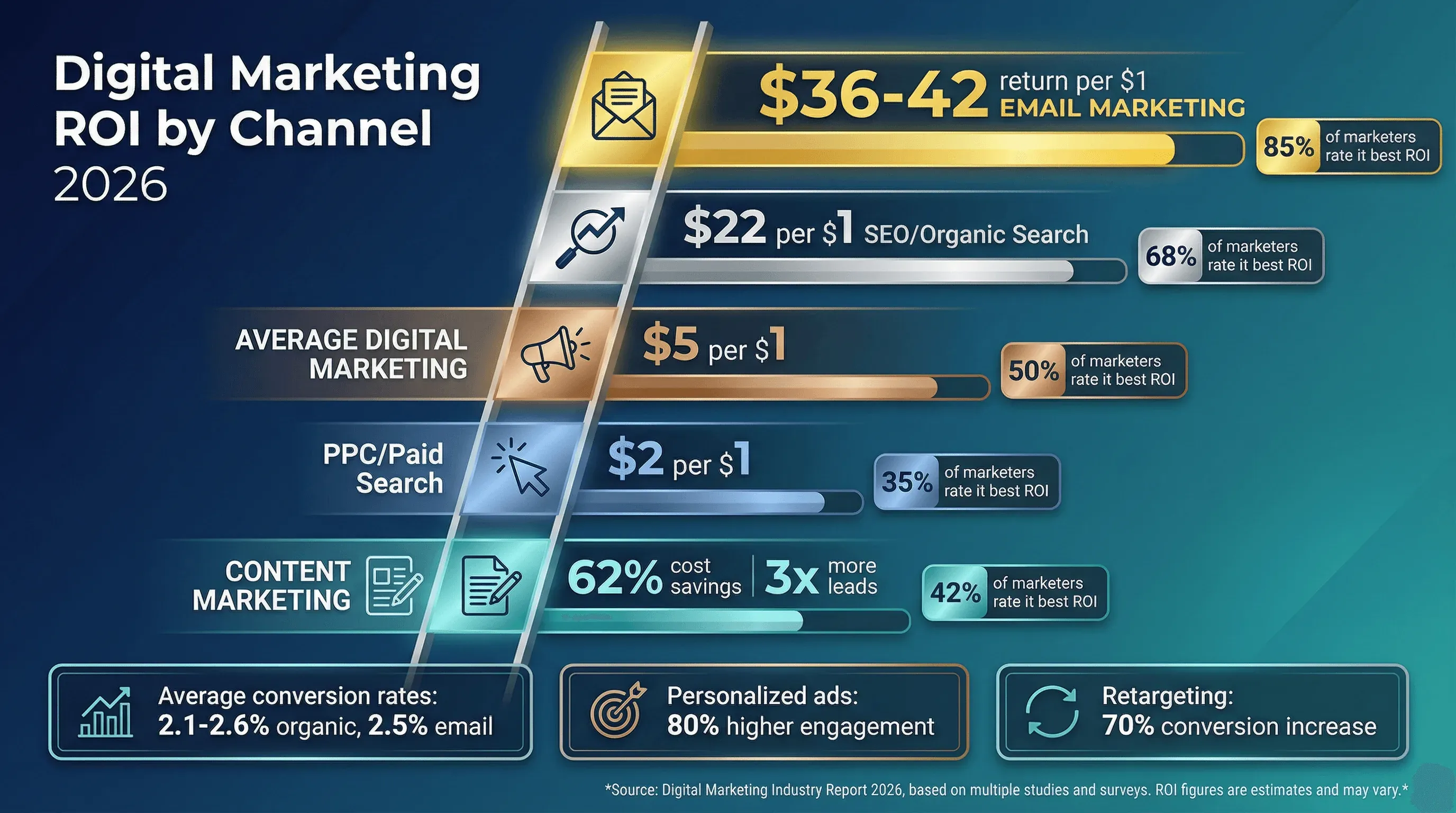
As of mid-2026, the benchmark for a successful digital campaign has shifted. Click-through rates, once the gold standard, have been replaced by deeper engagement metrics such as time-on-page and scroll depth. In the United States, the average conversion rate for lead-generation campaigns currently hovers around 4.2%, though this varies widely depending on the complexity of the offering. Firms that provide Online Website Marketing Real Estate Marketing have reported conversion rates as high as 7.5% when using multi-step verification processes that pre-qualify prospects before they ever reach a sales representative.
Customer lifetime value has also seen a resurgence as a primary KPI. With the cost of acquiring new customers rising by nearly 9% annually, retention has become the most cost-effective path to growth. Data from recent industry reviews suggests that a 5% increase in customer retention leads to a profit increase of more than 25% in the long run. This is particularly true for service-based businesses where trust and repeat interactions are the foundation of the revenue model. Marketing teams are now spending 40% of their budgets on re-engagement strategies, using automated email sequences and personalized SMS notifications to keep their existing client base active.
The technical requirements for these campaigns are more demanding than in previous years. Website load speeds must now be under 1.2 seconds to avoid a sharp drop-off in mobile traffic, which currently accounts for 72% of all web activity in the United States. Furthermore, accessibility standards have become a major factor in search engine rankings. Sites that fail to meet these criteria are seeing a noticeable decline in organic visibility. For companies seeking Online Website Marketing for Agents, ensuring their digital presence meets these high technical standards is the first step toward achieving sustainable growth in a crowded market.
Localized Attribution and Consumer Intent
Attribution remains one of the most difficult puzzles for modern marketers to solve. In 2026, the "linear" path to purchase is a myth. A typical consumer might see a social media post while in Brea, search for the service while commuting through Ontario, and finally make a purchase while at home in Chino Hills. Traditional tracking often fails to connect these dots, leading to inaccurate data and poor decision-making. To combat this, advanced marketers are implementing "unified measurement" systems that combine media mix modeling with real-time digital tracking.
Case studies from the Rialto and Fontana areas highlight how local businesses are using "geo-fencing" to drive foot traffic. By setting up virtual perimeters around specific commercial zones, businesses can send targeted notifications to potential customers who are already nearby. However, the data shows that timing is everything. Notifications sent during peak morning commute hours have a 30% lower engagement rate than those sent during the lunch hour or early evening. This level of granularity in data allows for the kind of precision that was previously only available to the largest national corporations.
Another factor influencing performance is the rise of voice search and conversational AI. Nearly 55% of households in the United States now use voice-activated devices to find local information. This has forced a change in SEO strategy, moving away from short, choppy keywords toward natural language and full-sentence queries. Content that answers specific questions—such as "Who provides the most reliable service in Montclair?"—is significantly outperforming generic landing pages. This shift toward "answer-based" content is a hallmark of the 2026 marketing strategy.
The Role of Content Authenticity in 2026
Consumer skepticism has reached an all-time high, leading to a demand for greater transparency and authenticity in marketing materials. In 2026, polished, high-production advertisements often perform worse than raw, behind-the-scenes content that shows the actual people and processes behind a business. This trend is especially visible in the Real Estate Agents And Teams sector, where trust is the most valuable currency. People want to see the reality of the work being performed, rather than a stylized version of it.
Video content continues to dominate the digital space, but the format has changed. Short-form video under 60 seconds is the preferred method for initial discovery, while long-form video (10 minutes or more) is used for building deep authority. Data indicates that viewers who watch at least three minutes of a brand's video content are 60% more likely to convert within the next 30 days. This "slow-burn" approach to marketing focuses on building a relationship over time, rather than pushing for an immediate sale. It requires patience and a consistent content schedule, something many smaller firms struggle to maintain without a dedicated strategy.
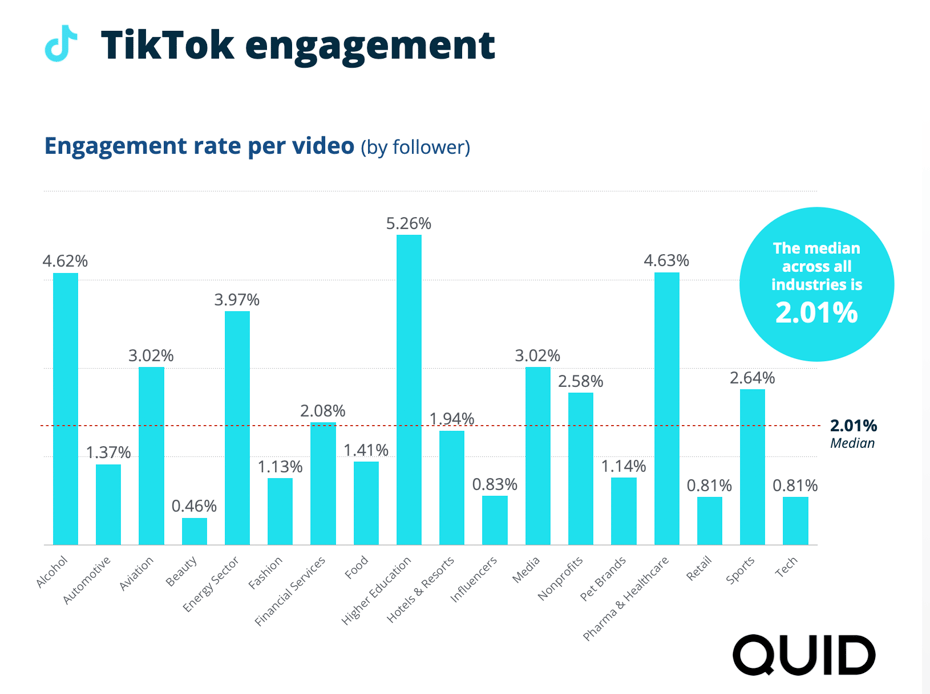
User-generated content has also become a critical component of the marketing mix. Encouraging customers to share their own photos and testimonials provides a level of social proof that brand-created content cannot match. In cities like Rialto and Fontana, local businesses that actively feature customer stories on their social media channels have seen a 20% increase in organic reach. This strategy works because it turns customers into advocates, effectively extending the marketing team's reach without increasing the payroll. It is a cost-effective way to build a community around a brand, which is essential for long-term stability.
Budget Allocation and Future Proofing
Looking at the second half of 2026, budget allocation is trending toward "agile" models. Instead of setting a fixed annual budget, companies are keeping a portion of their funds in reserve to capitalize on emerging opportunities or respond to sudden market shifts. This flexibility allowed many firms to survive the brief but sharp economic fluctuations seen earlier this year. The consensus among financial analysts is that the ability to pivot is just as important as the initial plan.

Investment in proprietary technology is another notable trend. Rather than relying solely on third-party platforms, many businesses are developing their own custom CRM systems and data dashboards. This gives them total ownership of their customer information and protects them from the sudden policy changes of major tech giants. While the upfront cost is higher, the long-term benefits of data independence are becoming clear. Companies with their own data infrastructure are reporting a 15% higher efficiency in their lead-nurturing processes.
The human element of marketing has not been forgotten, despite the heavy emphasis on data. Successful campaigns in 2026 are those that use technology to enhance human connection, not replace it. For example, using AI to handle initial inquiries allows human staff to focus on complex, high-value interactions that require empathy and problem-solving skills. This balance between automation and personal service is the defining characteristic of the most successful organizations this year. As the market continues to evolve, those who can master this balance will be the ones that thrive in the competitive United States economy.
Performance data from the first two quarters of 2026 proves that the most effective marketing is a mix of technical precision and genuine human insight. Whether it is a small firm in Montclair or a larger operation in Ontario, the principles remain the same. Clear goals, accurate data, and a commitment to providing real value to the consumer are the keys to success. By staying focused on these fundamentals, businesses can navigate the complexities of the modern market and achieve sustainable, measurable growth in the years to come.

Latest Posts
How Advanced Analytics Redefines Business ROI
Sector-Specific Growth Strategies for Boat And Marine Services Firms
Optimizing Business ROI through Advanced Analytics